
Taylor, TX
Home Loans in Taylor, Explained Before You Sign
We help buyers and borrowers in Taylor, Hutto and Elgin choose the right home loan: conventional, FHA, VA and USDA loans for purchases, a HELOC for equity, and hard money, bank statement and bridge loans for investors and the self-employed. You hear the requirements up front, in plain words.
- NMLS licensed for 10 years
- 11 years in the mortgage industry
- Every requirement explained up front
- Office, phone or video
Home Loan Programs We Offer
Every loan program has its own rulebook: down payment minimums, credit guidelines, property standards and paperwork. We have spent 11 years in the mortgage industry and have been NMLS licensed for 10 years, so we know where those rules trip people up. Below you will find conventional loans, FHA loans, VA loans and USDA loans for buying, a HELOC for tapping equity, and hard money loans, bank statement loans and bridge loans for situations a standard loan does not fit.

Conventional Loans
A standard home loan for buyers with steady credit, with flexible down payment options and mortgage insurance you can drop once you build enough equity.
FHA Loans
A government-backed home loan with a smaller down payment and more flexible credit rules, plus a clear walk-through of the FHA appraisal before you make an offer.
VA Loans
VA home loans for eligible veterans, service members and surviving spouses, with the eligibility paperwork and VA appraisal rules explained before you make an offer.
USDA Loans
A no-down-payment home loan for moderate-income buyers purchasing in USDA-eligible areas, with the address and income rules checked before you shop.
HELOC
A revolving line of credit drawn from the equity you've built, with the Texas home equity rules explained plainly before closing.
Hard Money Loans
Short-term financing for investors who need to buy a property that needs work, close on a tight timeline and fund the renovation in draws.
Bank Statement Loans
For self-employed borrowers whose tax returns understate their income: qualify on 12 or 24 months of bank deposits instead.
Bridge Loans
Short-term financing that taps the equity in the place you already own, so you can close on your next purchase before the sale goes through.
From First Call to Closing Table
Most purchases follow the same path. Here is what each stage asks of you.
- 1
Talk through your goals
We start with a phone or video conversation about the price range, down payment and timeline you have in mind. You leave with a rate quote and a pre-qualification estimate.
- 2
Documents and pre-approval
We give you a specific list, usually pay stubs, W-2s or tax returns, bank statements and ID. Once we review them and pull credit, you get a pre-approval letter sellers take seriously.
- 3
Contract, appraisal and underwriting
After your offer is accepted, we order the appraisal and send the file to underwriting. If the underwriter asks for something, we tell you exactly what and why, instead of forwarding a vague condition.
- 4
Review the Closing Disclosure
You receive your Closing Disclosure at least three business days before closing. We compare it with your Loan Estimate together so you know your cash to close before you walk in.
- 5
Sign and get the keys
In Texas, closings usually happen at a title company. You sign, funds are wired, and the property is yours.

A Mortgage Lender Close to Home
Home Loans Taylor is a local mortgage lender for the people buying, refinancing and investing around Taylor. Our borrowers include first-time buyers counting every dollar of the down payment, veterans using benefits they earned, self-employed owners whose tax returns undersell their income, and investors who need to move faster than a bank allows.
We believe most of the anxiety around a mortgage comes from not knowing the rules. So we explain them: why the appraiser cares about a missing handrail, why Texas limits how much equity you can borrow against, why one deposit on a bank statement needs a letter. Once you see how the pieces fit, the process feels a lot smaller.
- License
- NMLS licensed for 10 years
- In business
- 11 years in the mortgage industry
What Shapes Your Rate and Closing Costs
There is no single rate for everyone. Your quote comes from a handful of factors, and knowing them helps you decide where a little effort pays off. Here is what moves the numbers most.
Your quote depends on your credit, income, property and timing, so we build it from your actual situation over the phone. You then receive a written Loan Estimate that lists every charge.
- Credit history
- Higher scores usually earn better pricing, especially on conventional loans. A recent late payment or high card balances can shift the rate more than people expect.
- Down payment and equity
- The more you put down, or the more equity you hold in a refinance, the less risk the lender carries. On conventional loans, less than 20 percent down usually means mortgage insurance.
- Loan program
- FHA, VA and USDA loans have their own fee structures, such as FHA mortgage insurance, the VA funding fee or the USDA guarantee fee. Hard money and bridge loans price higher because they are short term and close fast.
- Property and occupancy
- A primary residence prices differently than a rental or a flip. Condos, multi-unit buildings and rural property can each add their own conditions.
- Debt-to-income ratio
- Lenders compare your monthly debts to your income. A lower ratio widens your options and can improve terms.
- Rate lock timing
- Rates move daily. A longer lock protects you through a slow closing but can cost a little more than a short one.
Borrowers We Serve Around Taylor
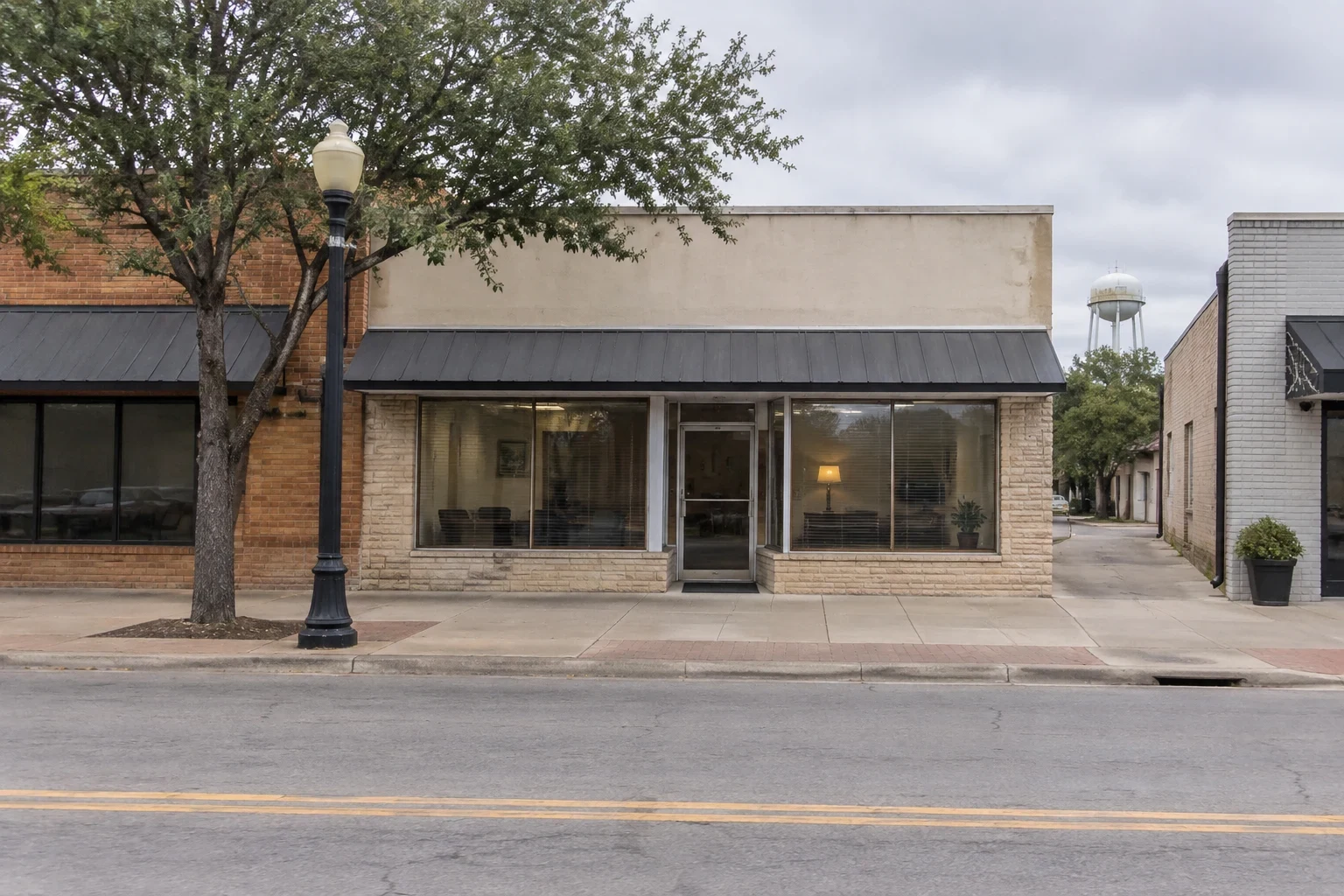
Our office sits in Taylor, but our borrowers come from all over eastern Williamson County and the north Austin suburbs. We regularly help buyers and refinancers in Hutto, Round Rock, Georgetown, Pflugerville and Wells Branch, plus Manor and Elgin to the south and east. Parts of the more rural areas may be eligible for USDA loans. Give us an address and we can check it.
- Taylor
- Hutto
- Pflugerville
- Round Rock
- Georgetown
- Manor
- Wells Branch
- Elgin
Most of a loan can be handled by phone and video, so the drive is rarely a factor. If you like to talk face to face, our office door is open.
Straight Answers on Common Mortgage Questions
What is the smallest down payment I can put on a purchase?
It depends on which program you use. Eligible veterans can often buy with zero down on a VA loan, and a USDA loan can allow the same when the property sits in a qualifying area. FHA loans begin at 3.5 percent down for borrowers who meet the credit score requirement, while some conventional loans allow as little as 3 percent. Keep in mind that closing costs come on top of that amount, and we estimate them for you early so the total cash you need is clear.
Is a pre-qualification the same thing as a pre-approval?
No. A pre-qualification is an early estimate based on what you tell us about your income, debts and credit. A pre-approval follows a review of your actual documents and a credit pull, which is why sellers treat it as stronger. Plenty of buyers start with the first and step up to the second once they are ready to write offers.
Is my credit score high enough to qualify?
Each loan program sets its own minimum score, and FHA guidelines are usually the most flexible. A higher score tends to earn a better rate, but lenders weigh more than that one number. Your income, monthly debts and down payment all play a part, so we look at everything together before we tell you where you stand.
My income comes from my own business. Will that make a home loan harder?
It can be done. Conventional and FHA loans typically use two years of tax returns, and business deductions can make your income look smaller on paper than it really is. A bank statement loan instead reviews 12 or 24 months of deposits. In a single conversation we can compare both paths with you.
What is the appraiser checking for on an FHA or VA purchase?
Value is only part of it. These programs also require the property to meet basic safety and soundness standards, so an appraiser may flag peeling paint on an older property, exposed wiring or a roof near the end of its life. Items like these usually need to be fixed before closing. We tell you what to watch for during showings so nothing catches you off guard.
Does Texas have its own rules for a HELOC?
It does. Texas caps total borrowing against a primary residence at 80 percent of its value, and that figure includes your first mortgage. State law also sets a waiting period between application and closing, then gives you a right to cancel afterward. We go over each of these before you apply so you know the timeline from day one.
How soon can my loan close?
Timing depends on the program, when the appraiser can get out, and how quickly your paperwork comes in. Hard money and bridge loans can often close faster than a standard purchase loan. Getting pre-approved before you make an offer is the single best way to protect your closing date.
How We Work With Borrowers
A mortgage is full of rules, and most stress comes from finding one out too late. We put them on the table early.
Requirements before applications
Before you send a single pay stub, we tell you which documents the program needs and why. No surprise requests three days before closing.
Your Loan Estimate, line by line
We walk through the Loan Estimate with you: the rate, the lender fees, the title and appraisal charges, and what is held for taxes and insurance. If a number changes later, we explain what moved it.
Appraisal and property rules flagged early
FHA, VA and USDA loans each set minimum standards for the property itself, such as safe wiring, a sound roof and working utilities. We tell you what the appraiser looks for so a peeling-paint note or missing handrail does not stall your purchase.
An honest fit, not a sales pitch
If a conventional loan beats an FHA loan for you, we say so. If you are not ready to buy yet, we tell you what to work on and roughly how long it may take.
Meet the way that suits you
Sit down with us at our office, or handle the whole loan by phone and video. Many borrowers do a mix of both.
Start With One Phone Call
Tell us about the purchase or refinance you have in mind. We will give you a rate quote, a pre-qualification estimate and a straight answer on which program suits you. When you feel ready, your loan application can begin during that same conversation.